


What Self-Care Truly Means and Why It Matters

Updated: May 6
Self-care often gets reduced to simple acts like taking a bubble bath or treating yourself to a favorite snack. While those moments can be enjoyable, self-care is much deeper and more essential than occasional indulgences. It is a vital practice that supports mental, emotional, and physical well-being. Understanding what self-care truly means can transform how you approach your daily life and help you build resilience against stress and burnout.

Un moment calme pour soi avec une tasse de thé et un livre
Defining Self-Care Beyond the Surface
Self-care is often mistaken for luxury or pampering, but it is actually a fundamental practice of maintaining your health and well-being. It involves intentional actions to care for your body, mind, and emotions. This can include:
Setting boundaries to protect your energy
Prioritizing sleep and nutrition
Engaging in activities that recharge you mentally and emotionally
Seeking support when needed
Self-care is not selfish. It is a necessary foundation that allows you to show up fully in your relationships, work, and personal goals.
Why Self-Care Matters More Than Ever
Modern life is filled with constant demands, distractions, and pressures. Without regular self-care, stress accumulates and can lead to exhaustion, anxiety, or physical illness. Research shows that people who practice consistent self-care experience:
Lower levels of stress hormones
Improved mood and emotional stability
Better immune function
Greater productivity and creativity
Taking care of yourself is an investment that pays off in every area of life. It helps you stay balanced and better equipped to handle challenges.
Practical Ways to Practice Self-Care Daily
Self-care does not require hours or expensive products. Small, consistent habits can make a big difference. Here are some practical ideas:
Morning routine: Start your day with a few minutes of stretching or deep breathing to set a calm tone.
Mindful breaks: Take short pauses during work to step outside, hydrate, or simply breathe deeply.
Healthy meals: Nourish your body with balanced meals that include fresh vegetables, proteins, and whole grains.
Sleep hygiene: Create a relaxing bedtime routine and aim for 7-9 hours of quality sleep.
Social connection: Spend time with people who uplift and support you.
Creative outlets: Engage in hobbies like drawing, writing, or gardening to express yourself and unwind.
These actions build a strong foundation for well-being and prevent burnout.

Un carnet pour organiser ses pensées et ses objectifs de bien-être
Recognizing When Self-Care Needs to Change
Self-care is not static. What works during one season of life may need adjustment in another. For example, during stressful periods, you might need more rest or professional support. It’s important to check in with yourself regularly and notice signs like:
Feeling constantly tired or overwhelmed
Losing interest in activities you usually enjoy
Increased irritability or anxiety
Physical symptoms like headaches or muscle tension
When these signs appear, it’s a signal to revisit your self-care habits and make changes. This might mean saying no to extra commitments, seeking counseling, or simply slowing down.
The Role of Self-Compassion in Self-Care
A key part of self-care is treating yourself with kindness and understanding. Self-compassion means accepting your imperfections and struggles without harsh judgment. This mindset encourages you to:
Forgive yourself for mistakes
Celebrate small victories
Speak to yourself as you would to a good friend
Practicing self-compassion reduces stress and builds emotional resilience. It helps you maintain motivation and prevents the negative self-talk that can undermine your efforts.
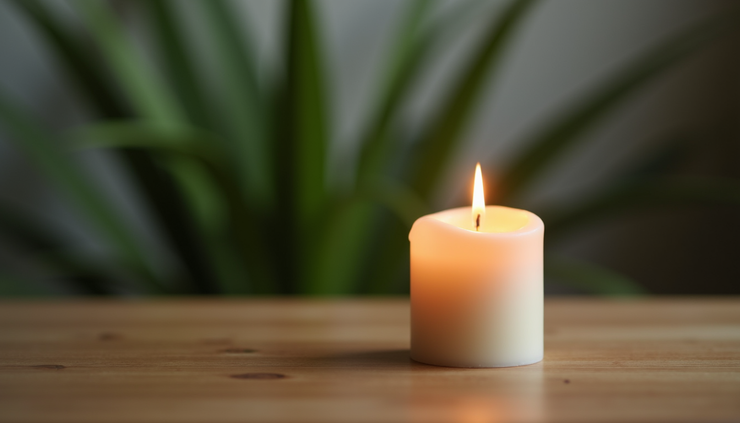
Une bougie allumée pour favoriser la détente et le calme intérieur
Building a Personalized Self-Care Plan
Everyone’s needs and preferences are unique. Creating a self-care plan tailored to your lifestyle increases the chances you will stick with it. Start by:
Identifying activities that recharge you
Scheduling regular time for these activities
Setting realistic goals and boundaries
Being flexible and adjusting as needed
For example, if you find nature calming, plan weekly walks in a park. If journaling helps you process emotions, dedicate 10 minutes each evening to write. The goal is to make self-care a natural part of your routine, not a chore.
Encouraging a Culture of Self-Care
Self-care is not just an individual responsibility. Families, workplaces, and communities benefit when self-care is valued and supported. Encouraging open conversations about mental health, offering flexible schedules, and creating spaces for relaxation can foster a healthier environment for everyone.
By prioritizing self-care, you contribute to a culture where well-being is respected and nurtured.

$50
Product Title
Product Details goes here with the simple product description and more information can be seen by clicking the see more button. Product Details goes here with the simple product description and more information can be seen by clicking the see more button

$50
Product Title
Product Details goes here with the simple product description and more information can be seen by clicking the see more button. Product Details goes here with the simple product description and more information can be seen by clicking the see more button.
$50
Product Title
Product Details goes here with the simple product description and more information can be seen by clicking the see more button. Product Details goes here with the simple product description and more information can be seen by clicking the see more button.
Recommended Products For This Post
Start your 14 days Free Trial to activate products for more than one post.
icon above or open Settings panel.
Please click on the


Comments